

Proper evaluation of Oak Moth infestation
Oak moth activity can be alarming, especially when caterpillars begin chewing through leaves or an oak canopy starts looking thin, brown, or ragged.
The larvae, often called California oakworms, feed on oak leaves and can cause noticeable defoliation during outbreak years. Healthy oaks can often tolerate some leaf loss, but stressed trees, repeated outbreaks, or heavy defoliation may deserve a closer look.
Branch Out Tree Care provides oak moth control and oak health evaluations in Santa Barbara, Montecito, Goleta, Carpinteria, Summerland, Hope Ranch, and the surrounding area as part of our Plant Health Care and pest management services.
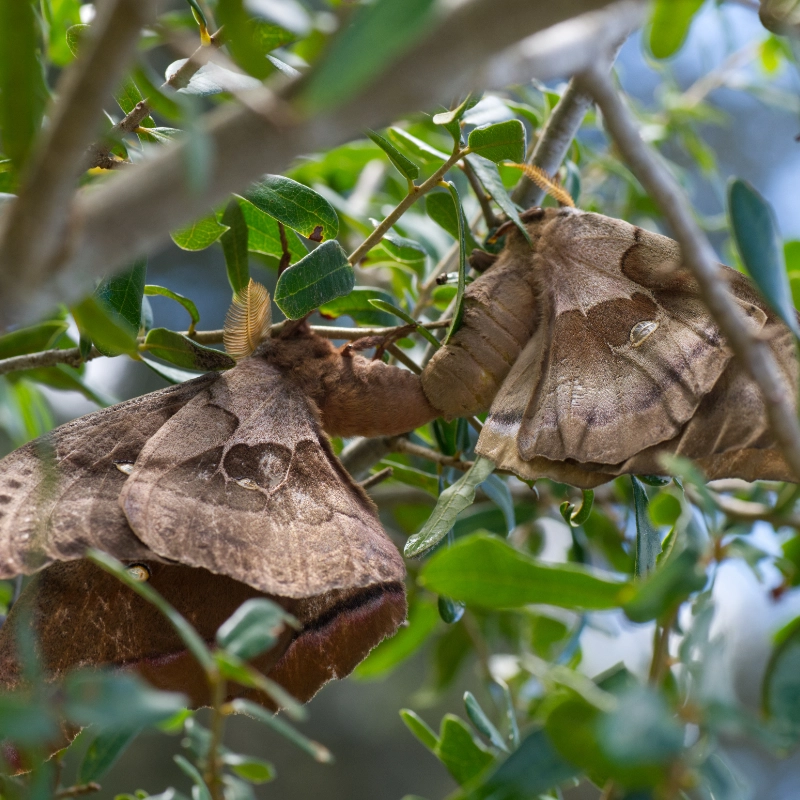

Signs of Oak Moth Activity
Oak moth and oakworm activity can vary from year to year. Some seasons may bring very little visible damage, while others can leave oak trees looking heavily chewed.
Common signs may include:
- Chewed oak leaves
- Thin or ragged canopy growth
- Brown or gray-looking canopy sections
- Caterpillars on leaves, branches, trunks, or nearby surfaces
- Frass beneath the tree
- Visible defoliation
- Oak trees looking stressed after repeated feeding
Because not every outbreak requires treatment, Branch Out evaluates the oak, the level of damage, and the overall tree health before recommending a plan.
Supporting Oak Health Before and After Outbreaks
Healthy oaks are generally better able to tolerate seasonal pest pressure than trees already under stress.
If an oak is struggling with drought stress, poor soil conditions, root disturbance, disease, compaction, or past damage, oak moth activity may be more concerning. Branch Out can evaluate the whole tree and recommend care that supports better resilience over time.
Oak moth control may be paired with Plant Health Care, soil support, deep root feeding, disease monitoring, or other long-term care recommendations when needed.

Oak Moth Treatment With IPM in Mind
Oak moth control should be thoughtful.
Branch Out uses an Integrated Pest Management approach that considers the pest, the oak species, the tree’s health, the severity of defoliation, and the surrounding landscape. In some cases, monitoring and tree health support may be enough. In others, targeted treatment may be appropriate.
Depending on the situation, we may recommend:
- Pest identification
- Monitoring
- Targeted treatment when warranted
- Plant Health Care support
- Soil and root zone care
- Pruning recommendations
- Follow-up evaluations
- Long-term oak health planning
The goal is to manage pest pressure while protecting the long-term health of the oak.