
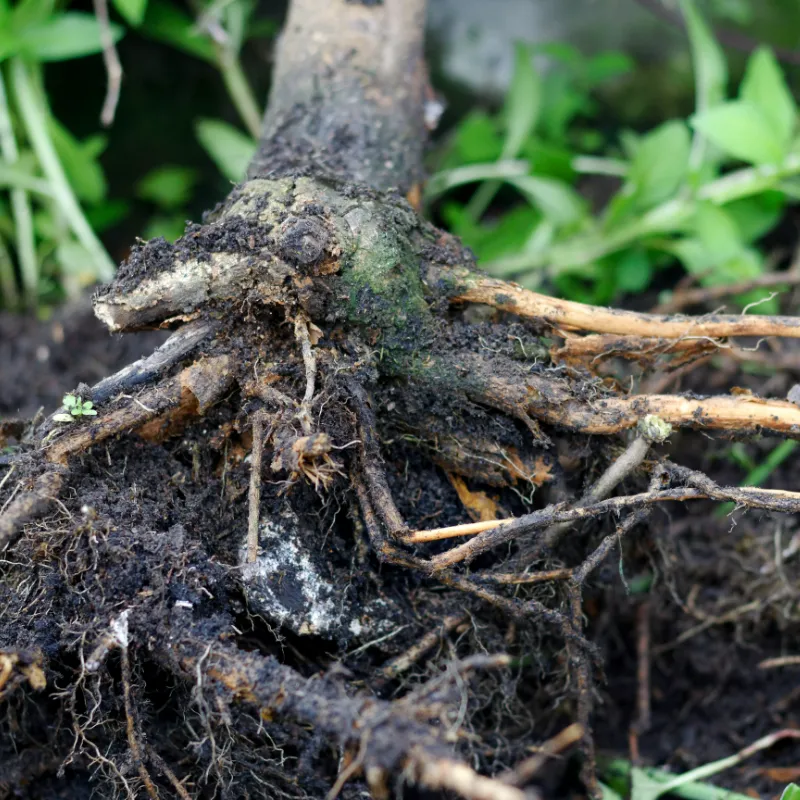
assessing root rot from the bottom of the tree to the top.
Root rot starts below the surface, but the symptoms often show up in the canopy.
Yellowing leaves, wilting, thinning growth, branch dieback, poor vigor, or a tree that looks stressed even when it has water may all point to root or soil-related problems. Root rot can be serious, and the right response depends on the tree, the pathogen, the site conditions, and how far the issue has progressed.
Branch Out Tree Care provides root rot evaluation and treatment in Santa Barbara, Montecito, Goleta, Carpinteria, Summerland, Hope Ranch, and the surrounding area as part of our Plant Health Care and disease management services.
Signs of Root Rot
Root rot can be difficult to confirm without a closer evaluation because many symptoms overlap with drought stress, nutrient deficiencies, pest issues, and other diseases.
Possible signs may include:
- Yellowing or pale leaves
- Wilting despite adequate water
- Thinning canopy growth
- Poor seasonal growth
- Branch dieback
- Fungal growth near the base of the tree
- Soft, decayed, or damaged root tissue
- Soggy or poorly drained soil
- Decline after overwatering or drainage changes
- A tree that seems to be failing from the bottom up
Because the roots are hidden, diagnosis is crucial.


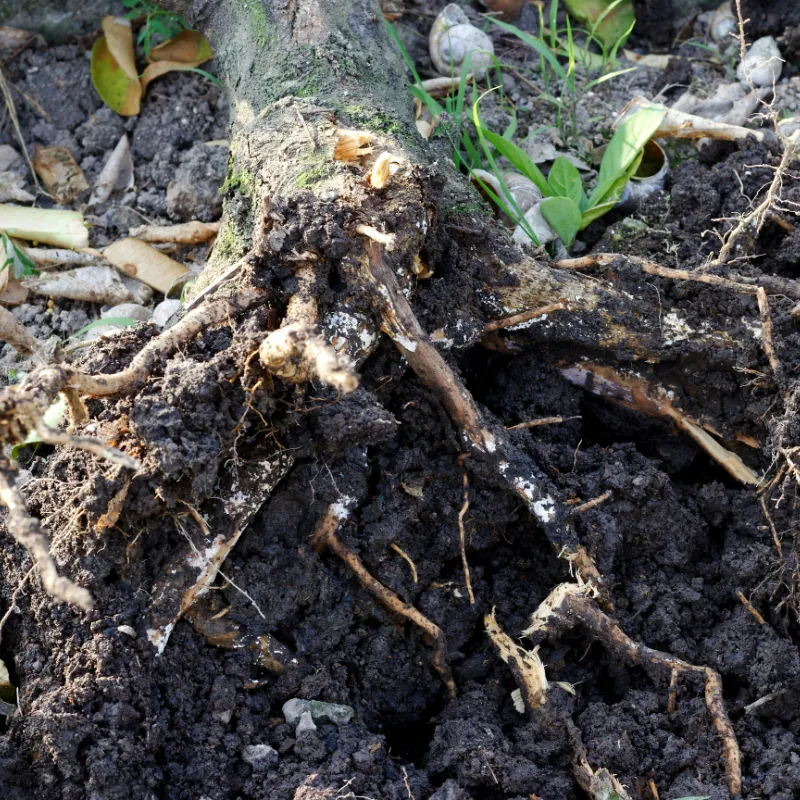
Diagnosis Before Treatment
Some root rot problems can be managed. Others may be too advanced or caused by pathogens that are difficult to treat effectively.
Branch Out evaluates the root zone, soil conditions, drainage, irrigation patterns, and visible symptoms before recommending a plan. When the cause is not clear, we may recommend soil, root, leaf, or plant tissue testing to better understand what is happening.
The goal is to avoid wasting time and money on a treatment that will not help.
Root Rot Treatment and Management
Root rot treatment depends on the tree and the severity of the problem.
Depending on what we find, Branch Out may recommend:
- Soil or lab testing
- Drainage and irrigation adjustments
- Root zone care
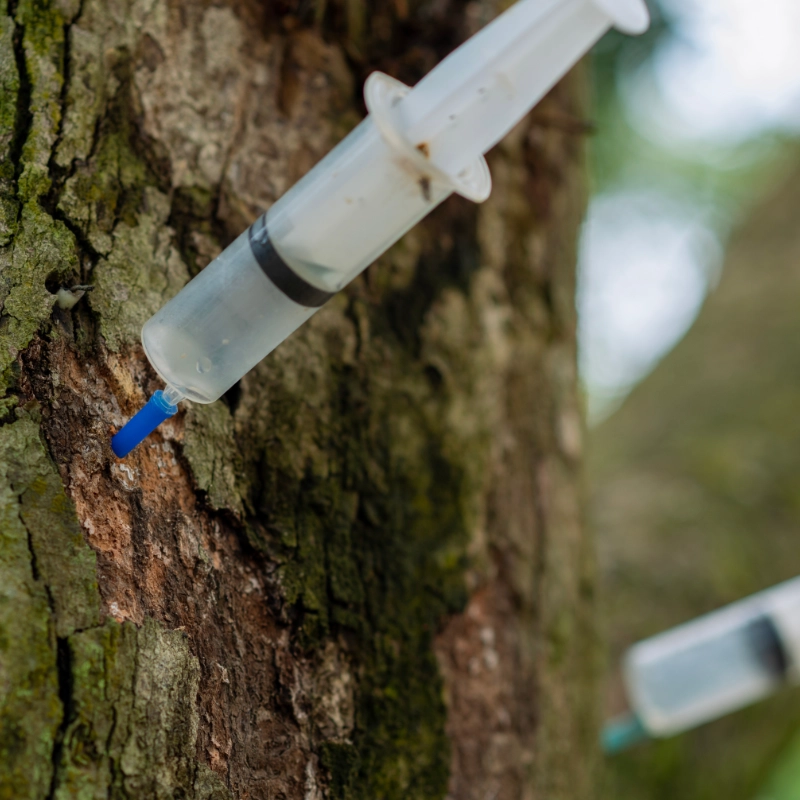
- Targeted disease treatment when appropriate
- Soil amendments
- Deep root feeding when appropriate
- Removal of severely affected material
- Ongoing monitoring
- Tree risk evaluation if stability is a concern
Root rot is not always a quick fix. In many cases, the best plan is to reduce the conditions that favor disease, support the tree’s remaining healthy roots, and monitor response over time.
Part of Plant Health Care
Root health is tree health.
A tree with stressed or damaged roots may struggle to absorb water and nutrients, support canopy growth, or remain structurally stable.
That is why Branch Out treats root rot as part of a larger Plant Health Care plan, not just a single disease issue.
When possible, our goal is preservation. When a tree is too compromised to save safely, we will explain that clearly and help you decide what comes next.