
Pest problems can move quickly
A few sticky leaves, tiny insects, chewed foliage, or black residue may not seem urgent at first. But many pest issues worsen over time, stressing trees and plants, weakening growth, spreading to nearby landscaping, and creating bigger health problems if they are ignored.
Branch Out Tree Care provides professional tree and plant pest control in Santa Barbara, Montecito, Goleta, Carpinteria, Summerland, Hope Ranch, and the surrounding area. Our ISA Certified Arborists and licensed pest management team help identify pest concerns, recommend responsible treatment options, and protect the long-term health of your landscape.
Pest Control With Plant Health in Mind
At Branch Out, pest control is part of Plant Health Care.
That means we do not just treat what is visible on the surface. We look at the tree or plant, the site conditions, the level of pest pressure, and the health of the surrounding landscape before recommending a plan.
Pest control may help with:
- Aphids
- Scale insects
- Whiteflies
- Thrips
- Lace bugs
- California oak moth
- Sticky honeydewBlack sooty mold
- Chewed or distorted leaves
- Declining trees or shrubs affected by pests
The right approach depends on the pest, the plant, the season, and the severity of the issue.
Pest Control Services We Offer
Integrated Pest Management
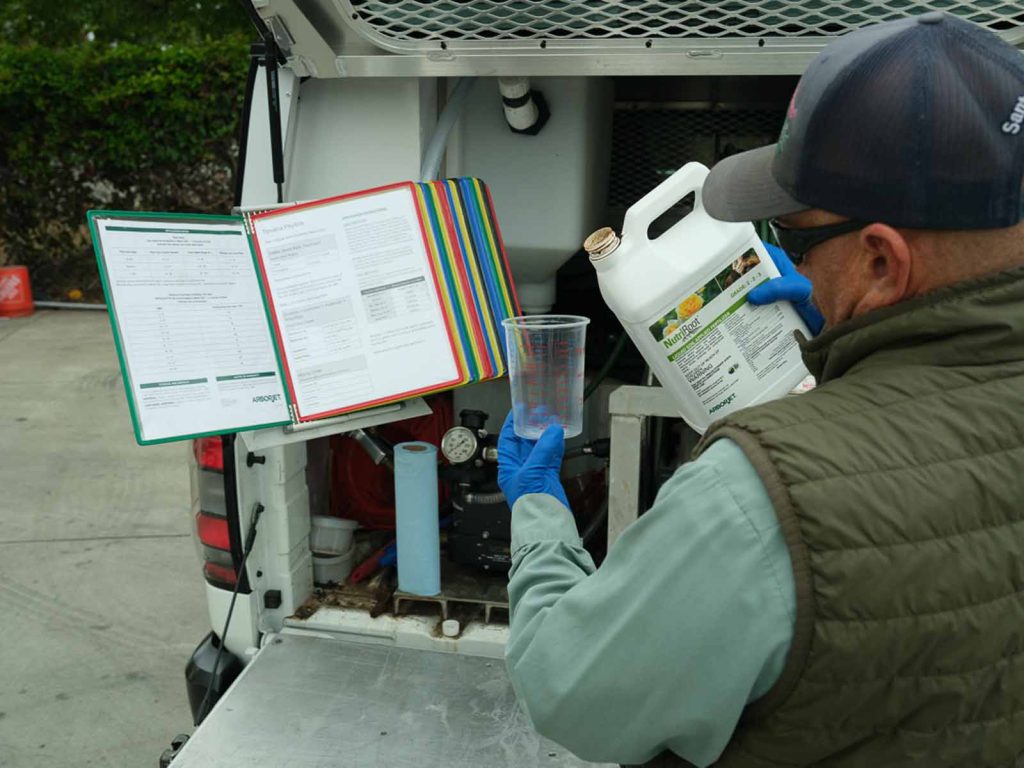
Integrated Pest Management, or IPM, is a thoughtful approach to managing pests by identifying the problem, understanding the plant and site conditions, and choosing the most responsible treatment plan for the situation.

Powdery Mildew Control
This fungal disease often appears as white or gray powdery growth on leaves, stems, buds, or new plant tissue. It can affect ornamentals, shrubs, fruit trees, vines, and other landscape plants.
Fire Blight Treatment
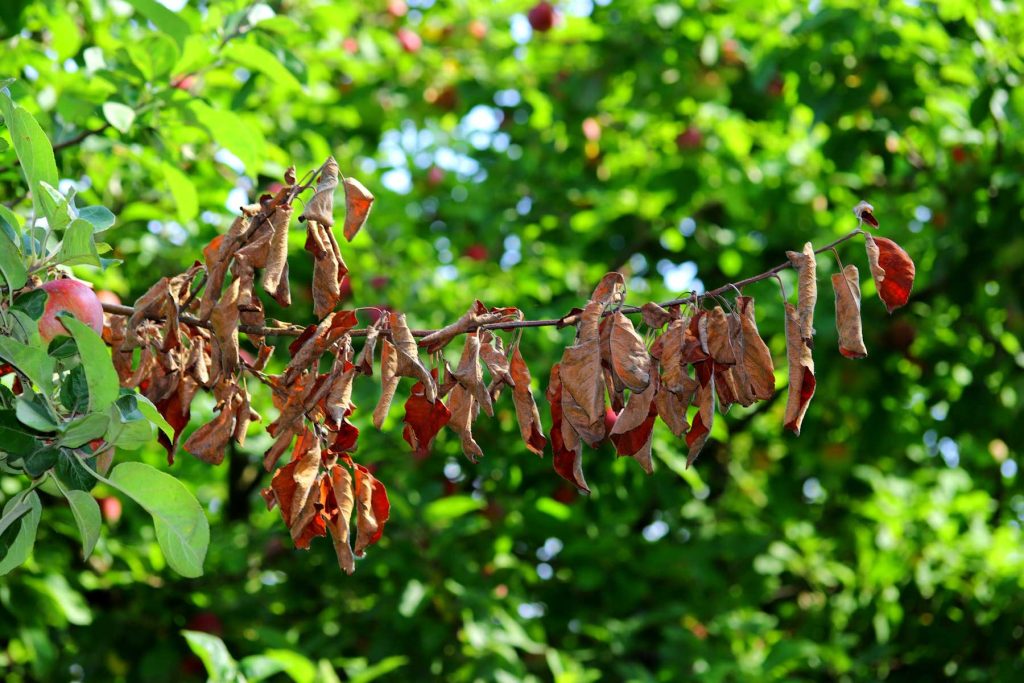
This bacterial disease often affects fruit trees and related ornamentals. If it is not addressed, fire blight can spread through infected tissue and become harder to manage.

Aphid Control
These small sap-feeding insects can cluster on leaves, stems, buds, and new growth. As they feed, they may cause curled leaves, yellowing, distorted growth, sticky residue, and black sooty mold.
Scale Insect Treatment
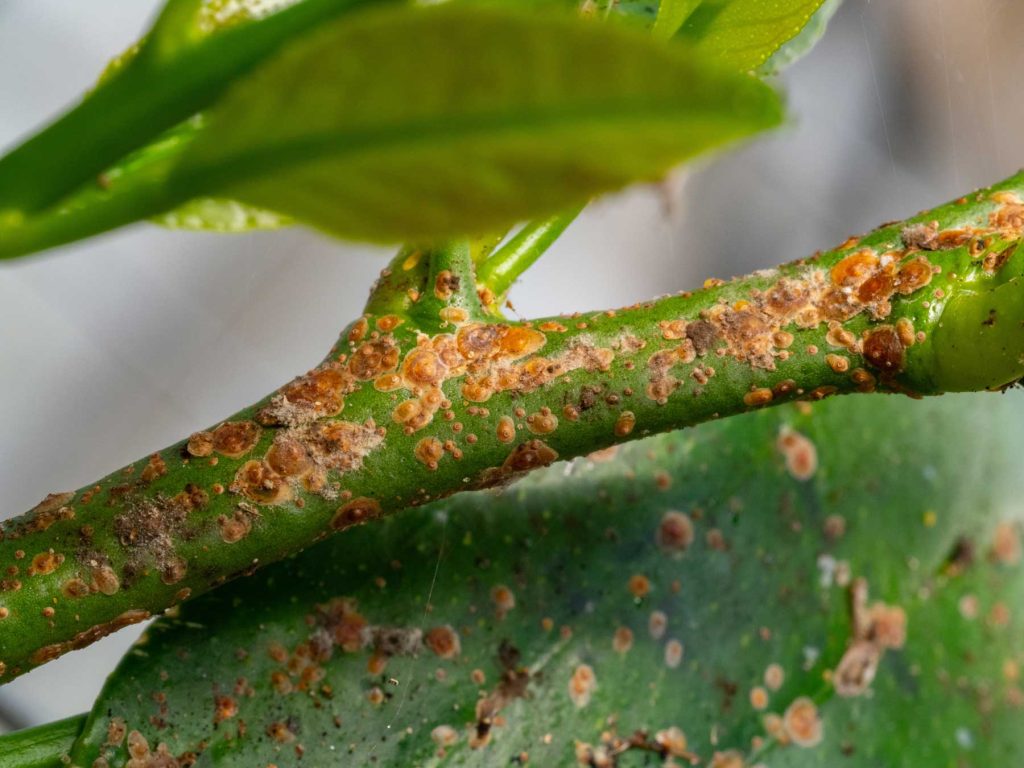
These small pests often attach to stems, leaves, bark, or branches and feed on plant sap. Over time, scale activity can lead to yellowing leaves, weak growth, sticky honeydew, black sooty mold, premature leaf drop, and overall plant stress.
Whitefly Treatment
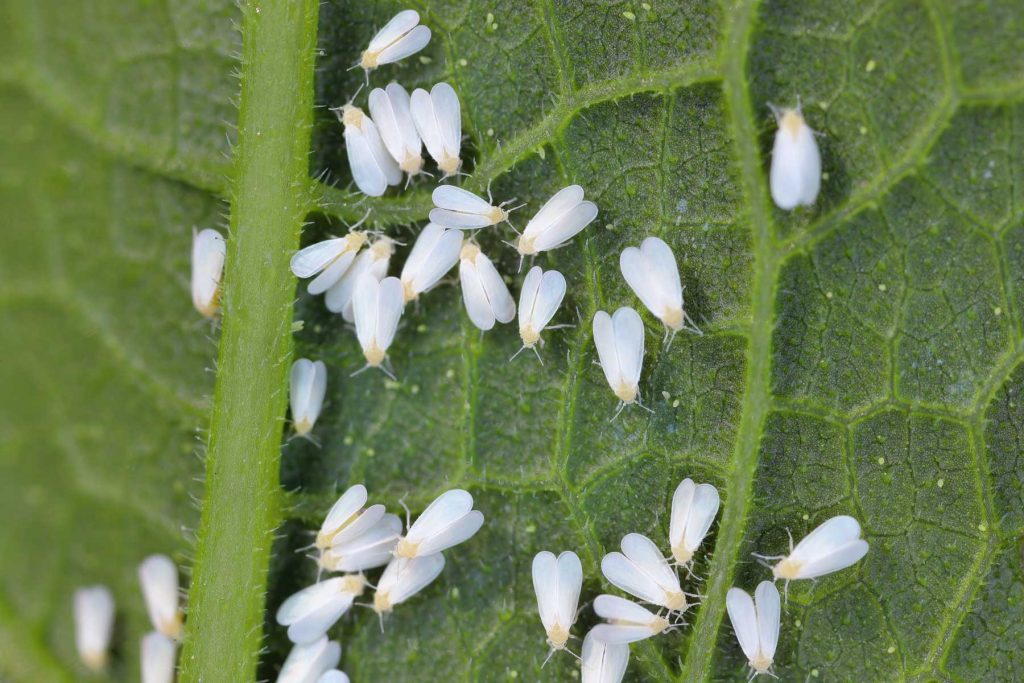
These sap-feeding insects often gather on the undersides of leaves and may fly up in small clouds when disturbed. As they feed, they can leave behind sticky honeydew, causing yellowing leaves, weakened growth, and black sooty mold.
Oak Moth Treatment
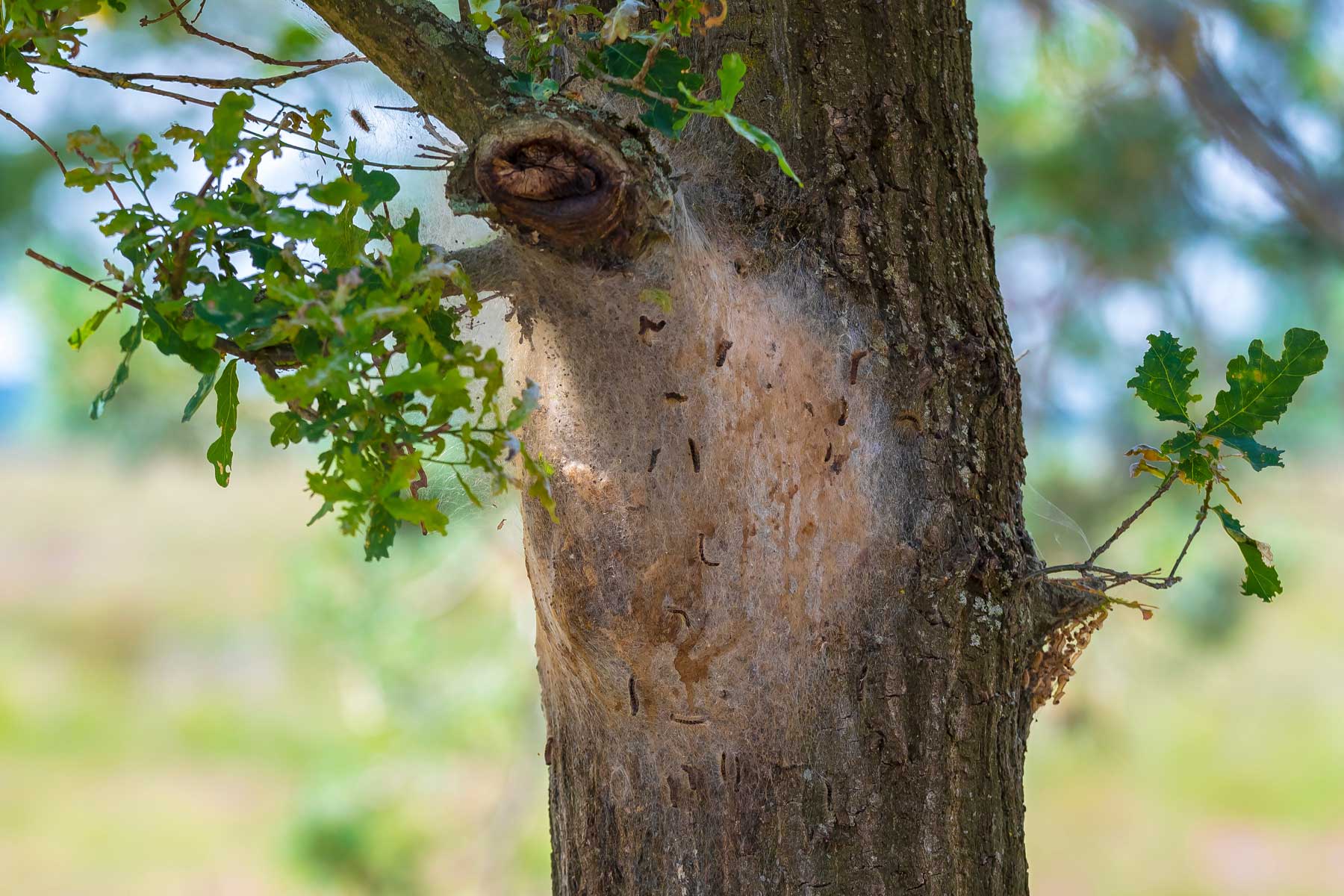
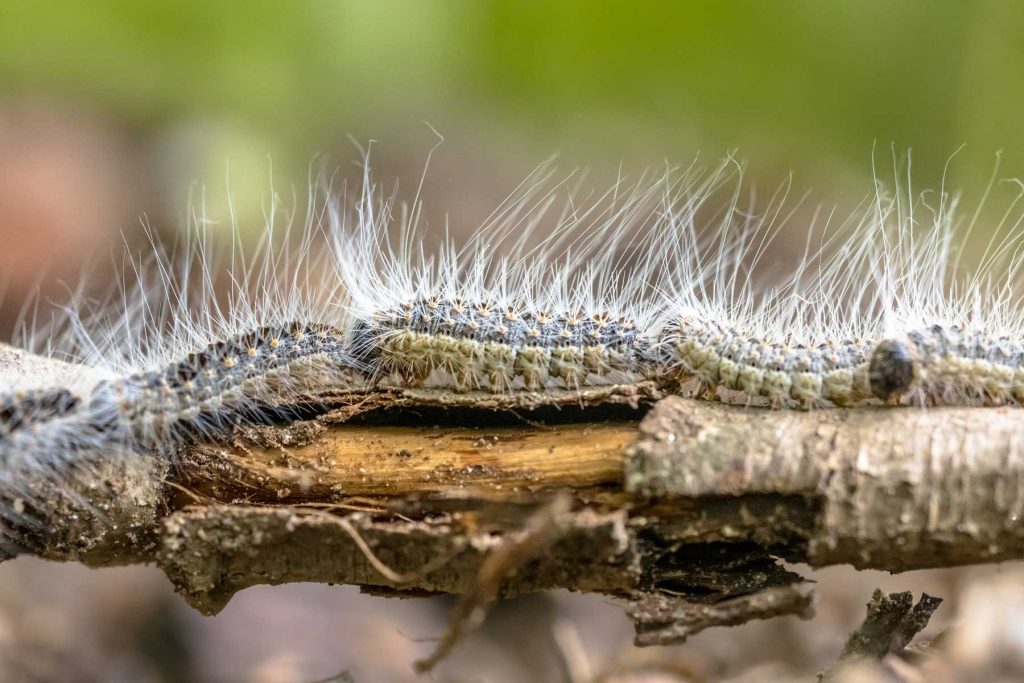
Oak Moth’s larvae feed on oak leaves and can cause noticeable defoliation during outbreak years. Healthy oaks can often tolerate some leaf loss, but stressed trees, repeated outbreaks, or heavy defoliation may deserve a closer look.
Responsible Treatment Options
Pest treatment should be effective, but it should also be thoughtful.
Branch Out uses professional pest management methods selected for the specific tree, plant, and pest concern. Depending on the situation, treatment options may include soil drenches, foliar applications, systemic treatments, basal bark applications, monitoring, or other Plant Health Care recommendations.
For edible landscapes, gardens, and clients who prefer a more natural approach, organic or food-grade treatment options may be available when appropriate.
Part of a Larger Plant Health Care Plan
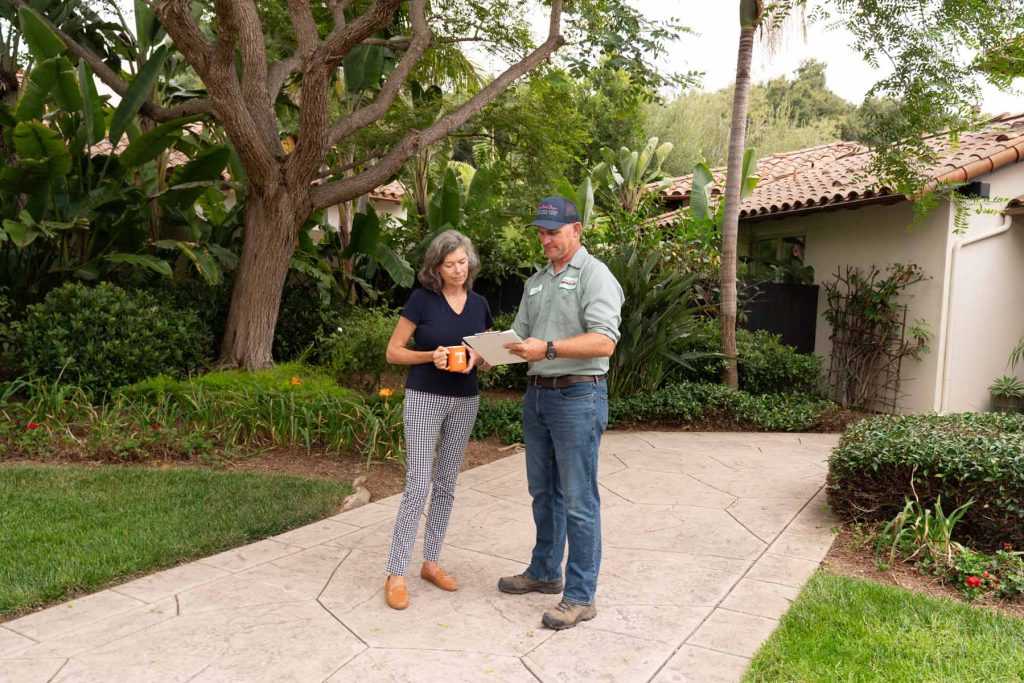
Pest control is often most effective when it is paired with better overall tree and plant care.
Depending on what we find, your care plan may also include:
- Tree health assessment
- Soil or lab testing
- Deep root feeding
- Foliar feeding
- Disease treatment
- Pruning recommendations
- Root zone care
- Ongoing monitoring
Healthy trees are often better able to tolerate stress. Our goal is to reduce pest pressure while supporting the long-term health of the tree or plant.
When Pests Lead to Disease
Pest problems and disease problems often overlap.
Insects can weaken trees and plants, create entry points for disease, or show up when a plant is already under stress. If we see cankers, fungal growth, root concerns, unusual dieback, or other signs that the problem may go deeper than insects, we may recommend lab testing or additional evaluation before moving forward with treatment.
The goal is to treat the right problem, not just the most obvious symptom.